Rock type 01
01 / 05
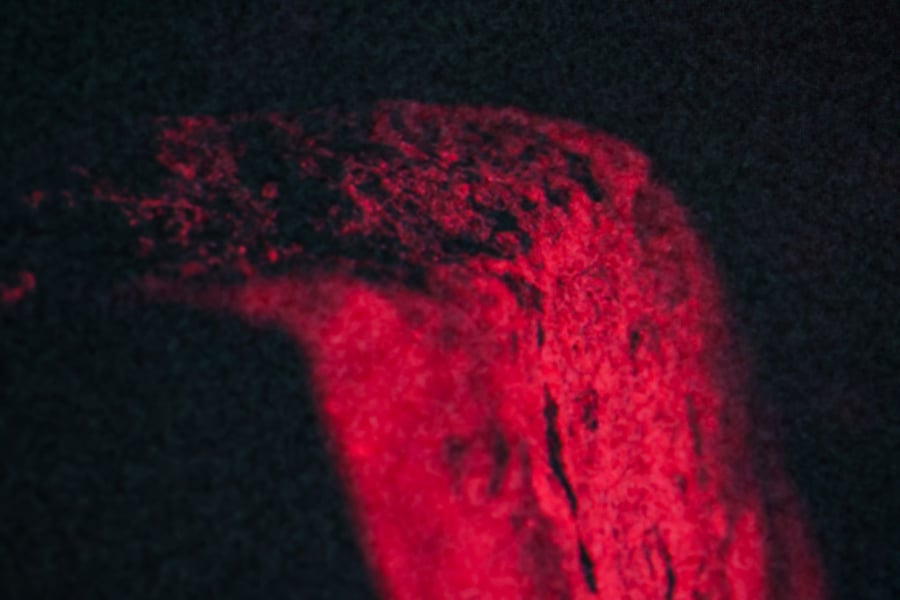
Gritstone
The coarse, grainy rock of the Peak District.
It’s rough enough to shred your skin and grippy enough to make a sloper feel like a jug on a cold, crisp day.
Grit teaches you to trust your feet.


5 rock types
Every hold is a small conversation between skin and stone, where shape, texture and opposing forces decide whether you stay or go.
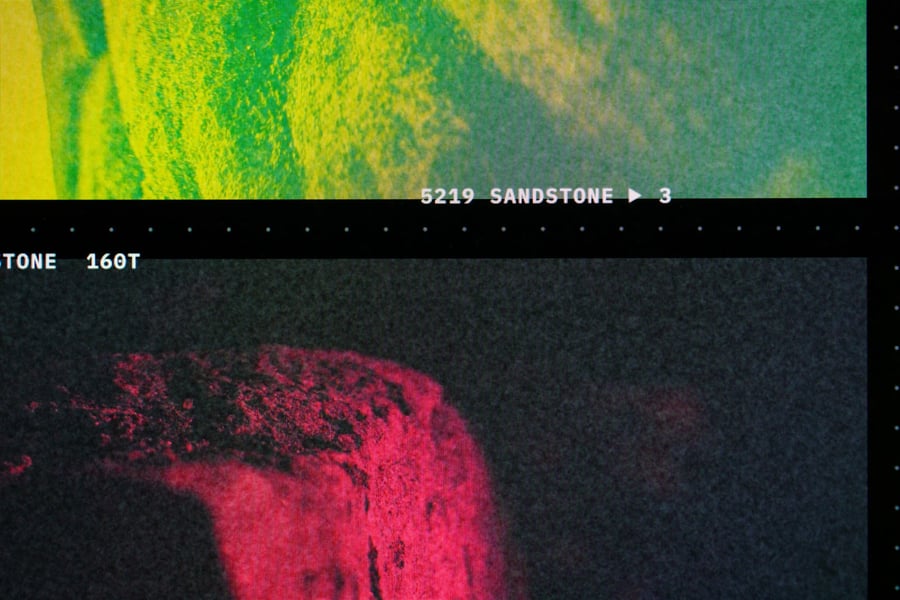
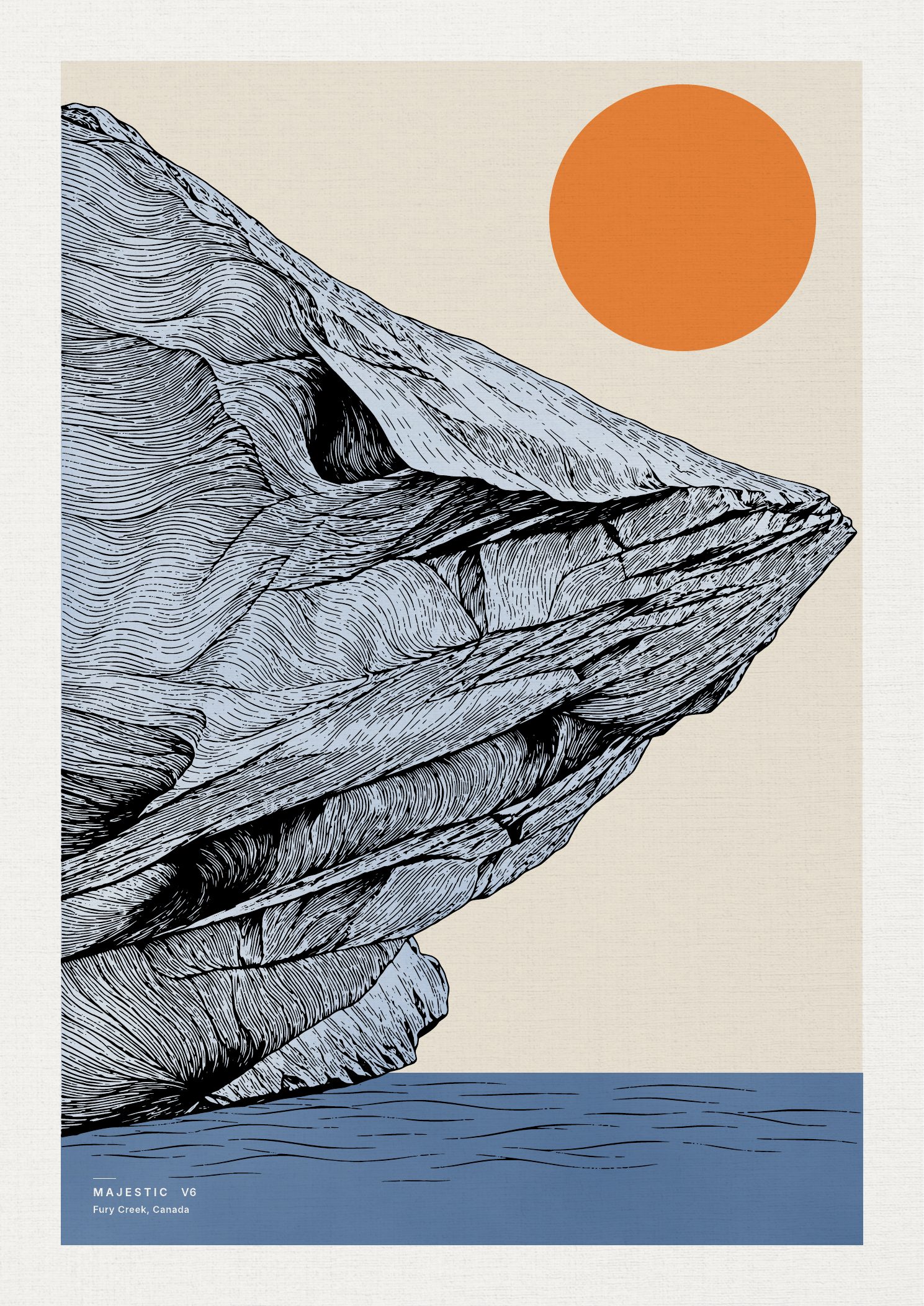
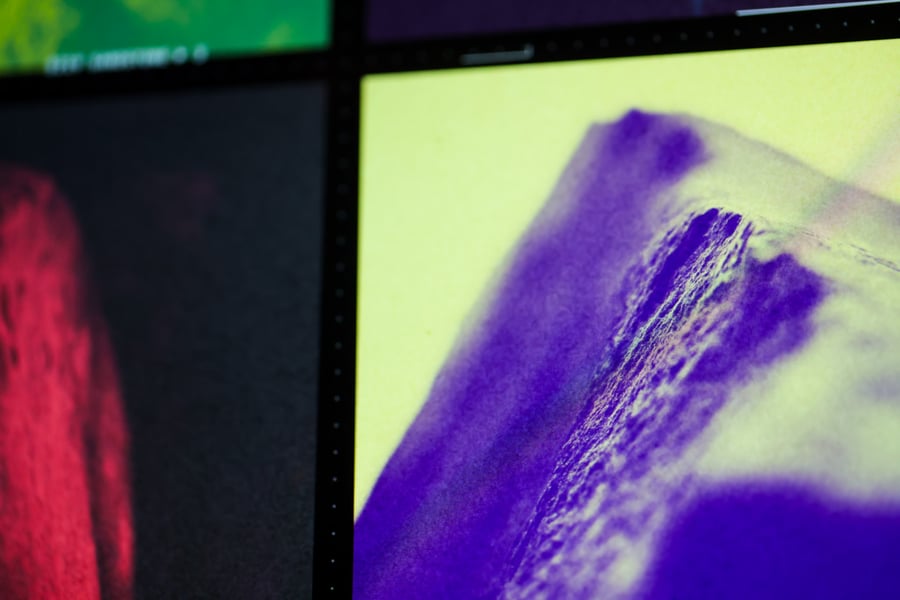
This print is a small visual ode to that feeling: five rock types, each with its own texture and its own kind of grip, seen up close.

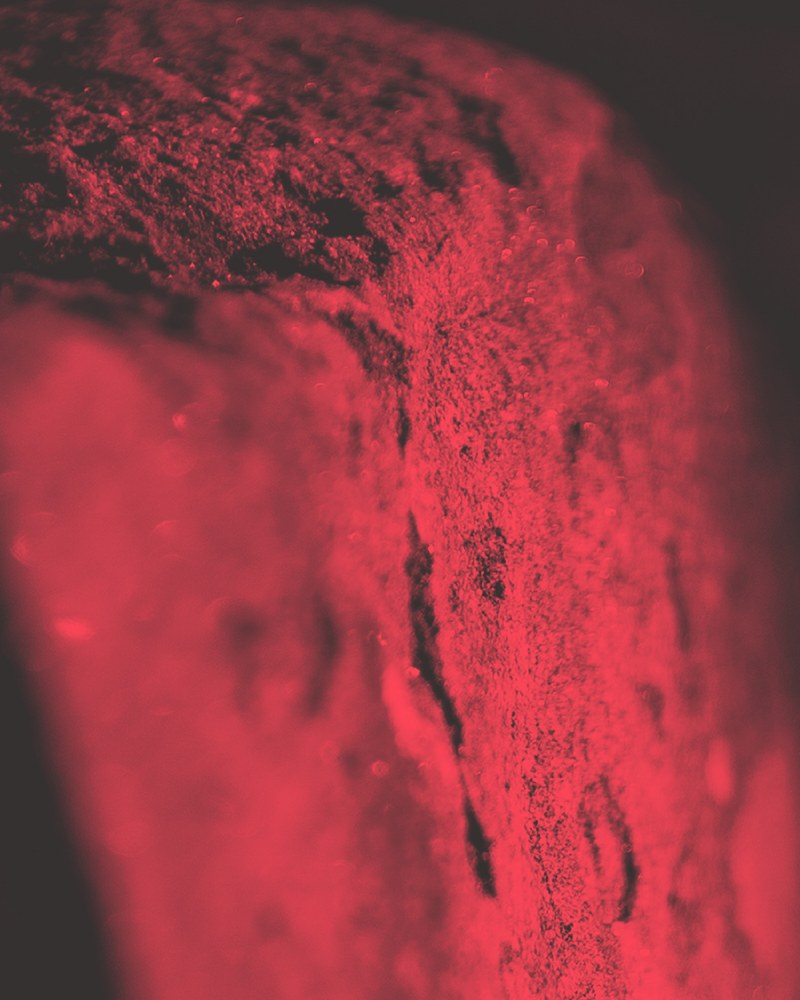
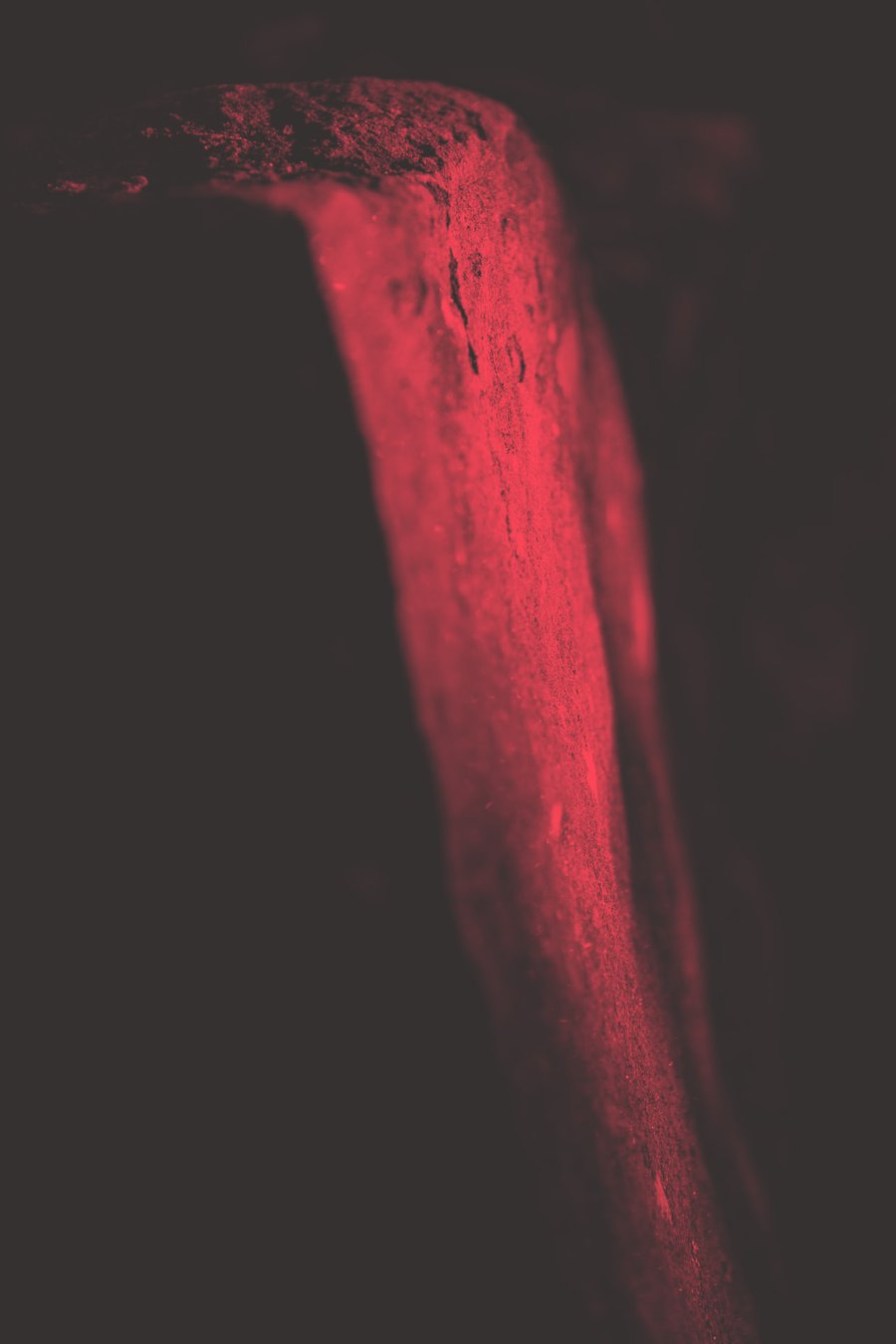

01 / 05
The coarse, grainy rock of the Peak District.
It’s rough enough to shred your skin and grippy enough to make a sloper feel like a jug on a cold, crisp day.
Grit teaches you to trust your feet.
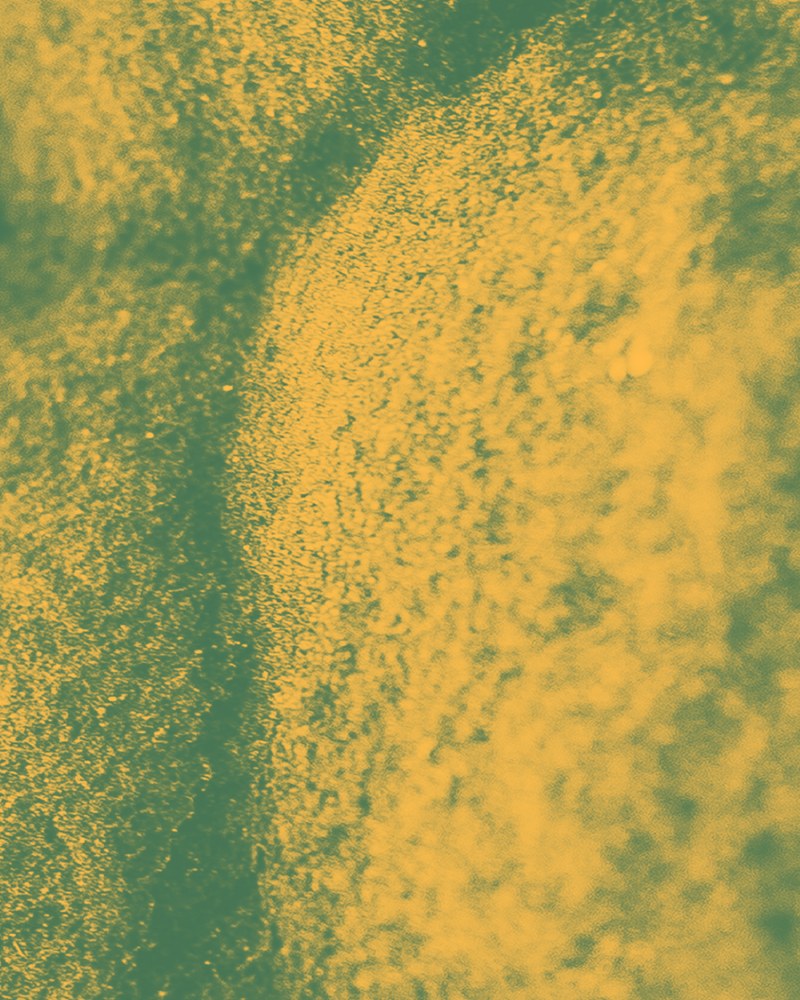
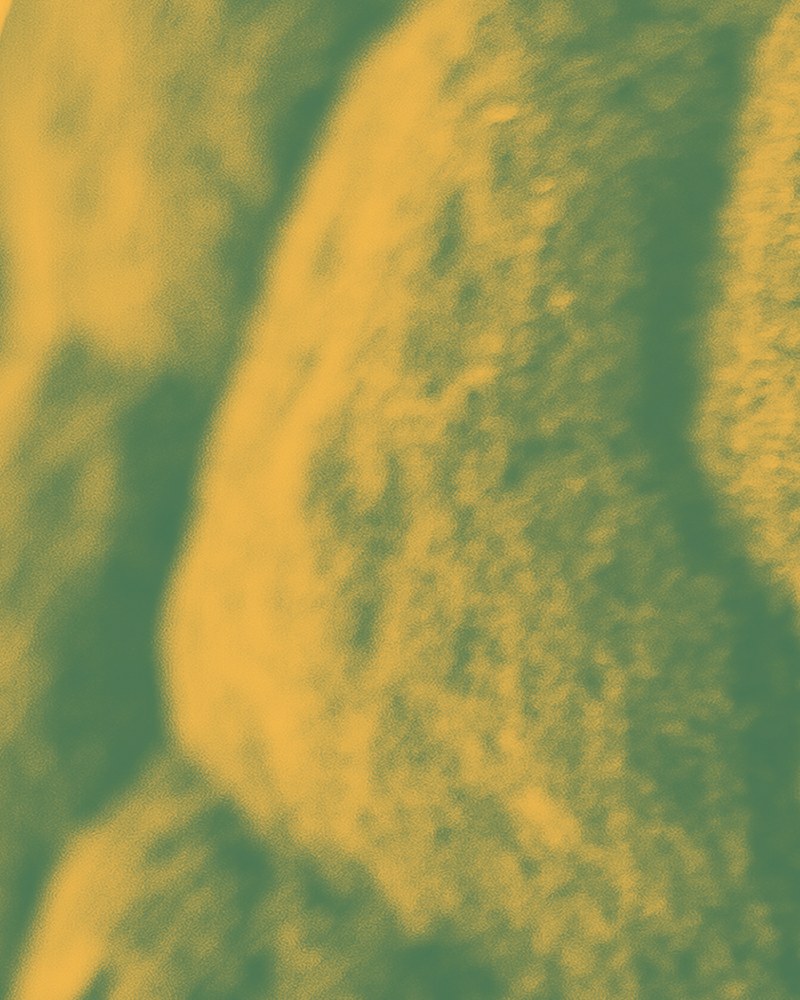

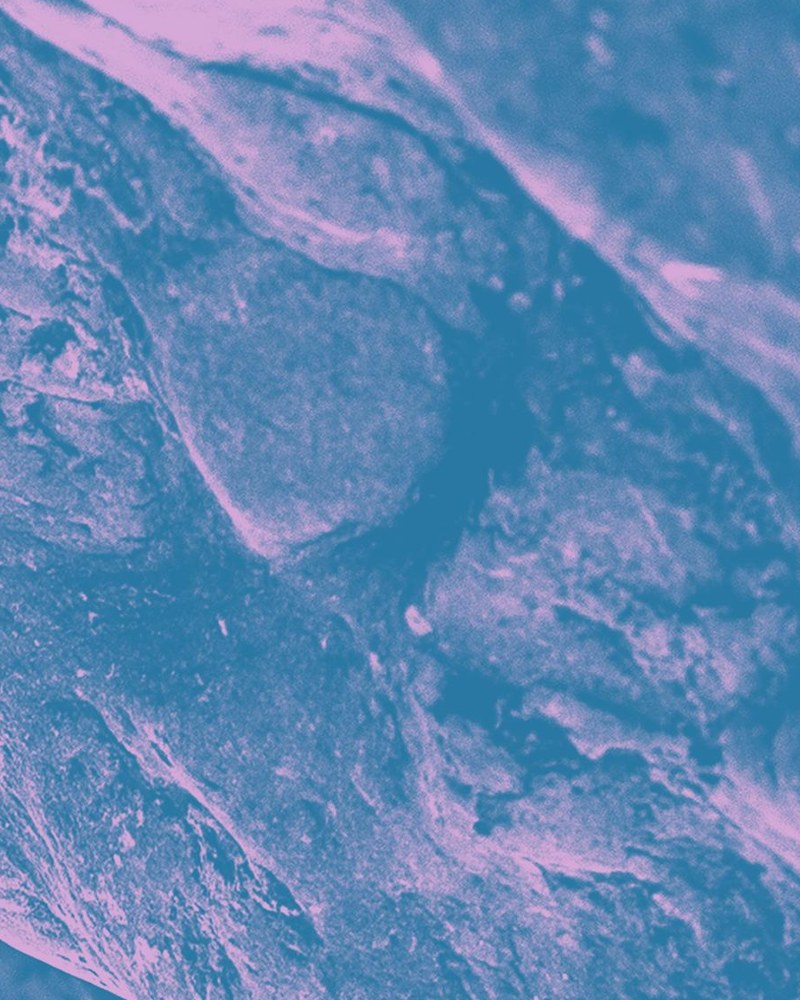
02 / 05
From the soft, rounded boulders of Fontainebleau to sun-warmed crags further afield.
Sandstone is smooth to the eye but full of grip, with holds worn into curves that reward balance and patience over power.


03 / 05
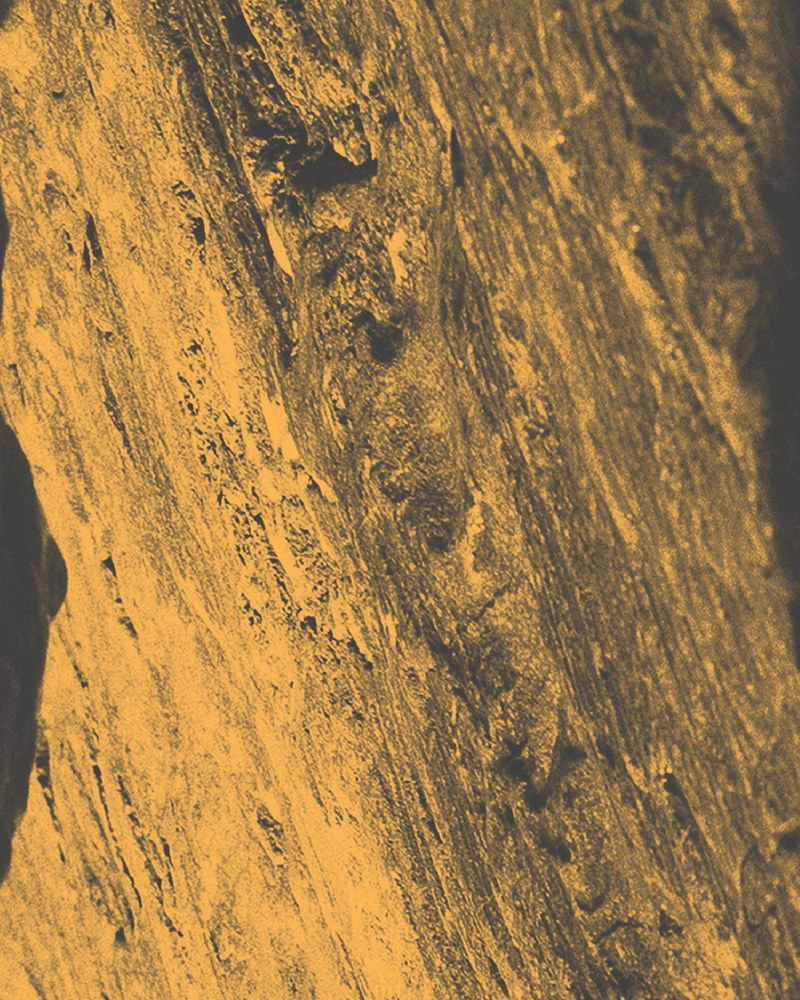
Not all limestone is pockets and crimps. On Portland, some walls are smooth and fine-grained, worn over time by wind-blown salt spray off the sea.
And where the traffic is heaviest, the feet go glassy: rubber and chalk polishing the footholds to a slick shine.
Limestone can bite back and has a habit of leaving a mark.

04 / 05
Crystalline and rough, from wind-blasted sea cliffs to high mountain slabs.
Granite friction is honest: you feel every crystal, and smearing on it is an act of faith.


05 / 05
Hard, fine-grained volcanic rock, smooth and almost glassy in places.
Rhyolite asks for precision, with small edges and subtle features that only work if you place everything just right.
Friction keeps us tuned in to the rock beneath our fingers, and to something much older and bigger than ourselves.